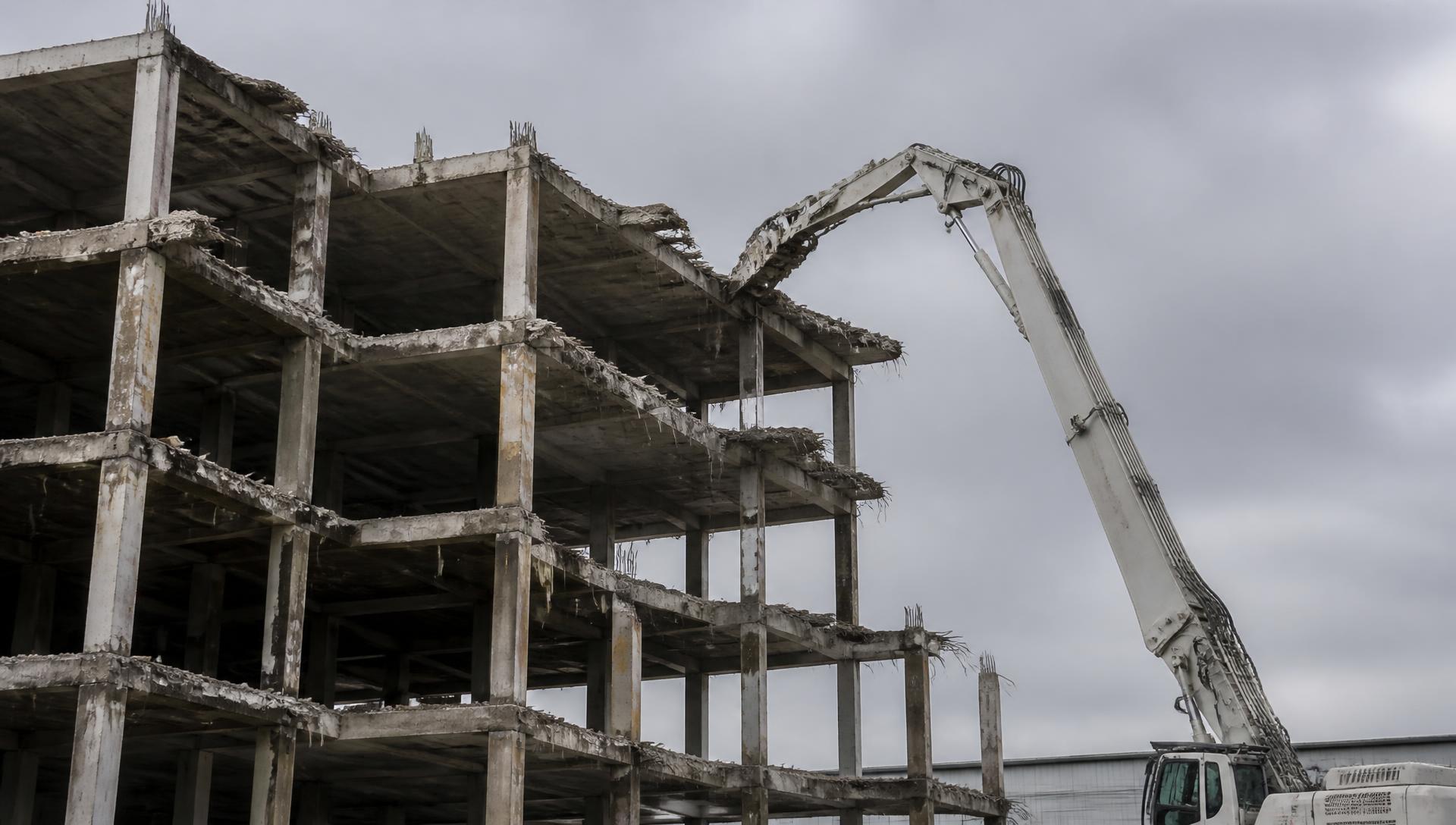
Partially demolished reinforced concrete building frame with exposed columns and slab edges

Demolition Engineering

Engineering the Structure as It Comes Apart

Engineering for demolition sequencing, temporary stability and load path redistribution — so the structure is understood at every intermediate stage, not only before and after.

Engineering During Removal

Demolition Is a Sequence of Structural Conditions

Demolition does not take a structure from complete to removed in a single step. It creates a series of intermediate structures, each with its own load paths, support conditions and stability requirements.

Element Consulting Engineers evaluates these intermediate conditions and defines the sequencing, temporary support and structural measures required so that the portion of the structure remaining in place at each stage is stable and adequately supported.

Our work covers full and selective demolition, structural alteration, partial removal within structures that remain in service, and conditions where existing information about the structure is incomplete.

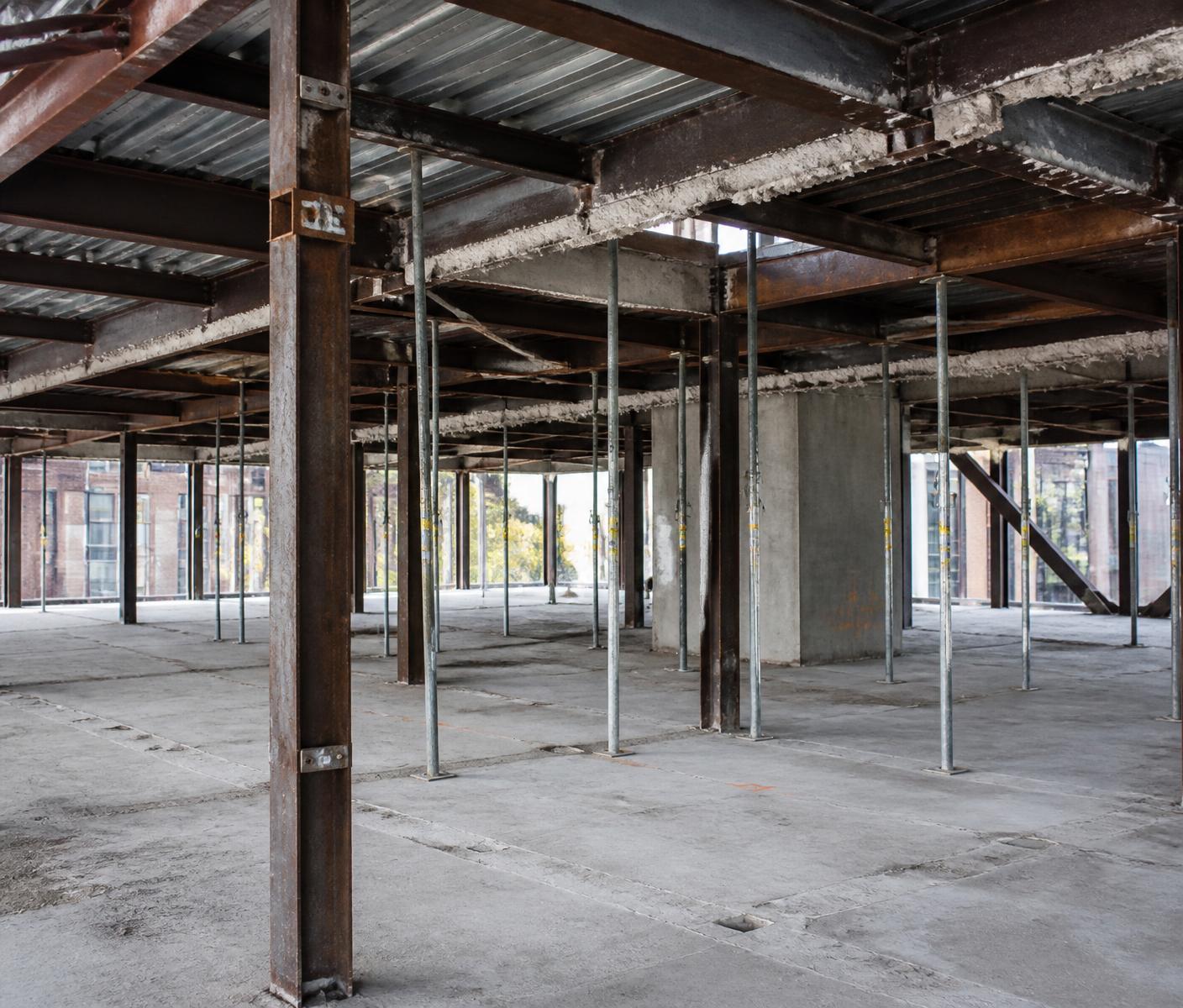
Interior of a building under selective demolition with exposed steel framing and temporary shoring posts

Capabilities

Demolition Engineering Services

01

Structural Review & Assessment

Review of the existing structural system to establish how the structure carries load before any removal begins.

  • Existing drawing review
  • Structural system identification
  • Load path assessment
  • Site observation of conditions
  • Assessment with limited information
  • Structural constraints

02

Demolition Sequencing

Engineering of the order of removal so the remaining structure is understood at each intermediate stage.

  • Stage-by-stage removal
  • Intermediate conditions
  • Sequence-dependent stability
  • Element removal order
  • Progressive load redistribution
  • Hold points

03

Temporary Stability & Support

Temporary support engineering required to maintain stability of the structure that remains in place.

  • Temporary shoring
  • Needle beams and transfer
  • Lateral bracing
  • Temporary restraint
  • Support of remaining elements
  • Load transfer details

04

Selective & Partial Demolition

Engineering for removal of individual structural elements within a structure that stays in service or is retained.

  • Slab and wall openings
  • Beam and column removal
  • Partial floor removal
  • Facade retention interface
  • Strengthening of remaining framing
  • Reinstatement requirements

05

Equipment & Access Loading

Assessment of demolition equipment, access and debris loading imposed on the structure during the work.

  • Machine loading on slabs
  • High-reach and excavator access
  • Crushing and debris loads
  • Material accumulation
  • Access routes and ramps
  • Protection decks

06

Protection of Adjacent Structures

Engineering measures where adjacent buildings, occupied areas or services must be protected during removal.

  • Party wall and adjacent framing
  • Underpinning interface
  • Protection structures
  • Occupied-area separation
  • Services and utilities
  • Site-specific constraints

Progressive Structural Change

Every Removal Changes What Remains

A structure is a connected system. When a member is removed, the load it carried does not disappear — it redistributes through whatever remains. Continuity, restraint and stability that the original design relied on can be lost long before the demolition is complete.

The engineering question in demolition is not what the structure was, or what will be left at the end. It is what the structure is at each intermediate stage, and whether that structure is stable.

  1. 01

    Original Structural System

    The structure as it currently stands, with load paths established by the original design and any subsequent alterations.

  2. 02

    Element Removal

    Members are removed. Support conditions, continuity and restraint that the remaining structure depended on are progressively lost.

  3. 03

    Redistributed Load Path

    Loads find new paths through the remaining framing. Elements may carry demands never considered in the original design.

  4. 04

    Stabilized Condition

    Temporary support, bracing or sequencing requirements are defined so each intermediate stage remains stable and understood.

Where We Are Engaged

Conditions That Require Demolition Engineering

01

Removing Load-Bearing Elements

Removal of columns, beams or bearing walls where load must be transferred to the remaining structure.

02

Partial Floor & Slab Removal

Openings or full bay removal through slabs where edge conditions and support become critical.

03

Demolition Above Occupied Space

Work where areas below or adjacent to the demolition remain in use and must be protected.

04

Equipment Working on Structure

Machines, attachments and debris loading applied to floors that were never designed for them.

05

Retained Structure & Facades

Conditions where portions of the structure or facade are retained while the surrounding framing is removed.

06

Incomplete Existing Information

Structures where original drawings, reinforcement details or previous modifications are unknown or unverified.

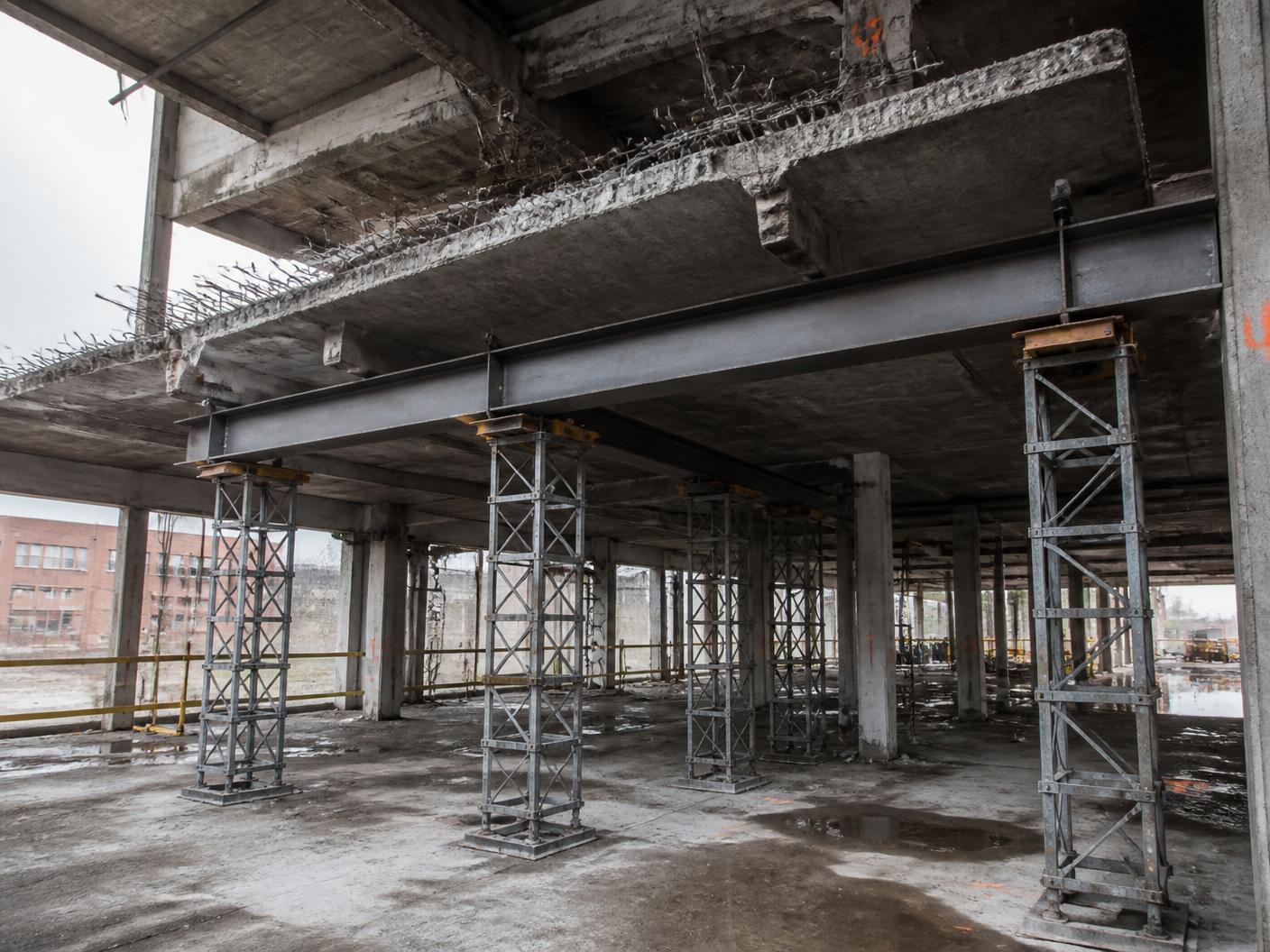
Partially removed concrete floor slab supported by steel needle beams and shoring towers

From Assessment to the Field

Demolition Engineering Support Through the Work

  1. 01

    Demolition Engineering Assessment

    Structural review, load path evaluation and analysis of each relevant demolition stage.

  2. 02

    Sequencing & Support Drawings

    Drawings, sketches and details defining removal sequence, temporary support and required measures.

  3. 03

    Engineering Review & Seal

    Review and professional sealing of demolition engineering documentation where required.

  4. 04

    Field Reviews & Support

    Site attendance and engineering response as conditions are exposed and the work progresses.

Demolition Engineering & Temporary Works

Explore Temporary Works Engineering

Demolition engineering frequently requires temporary support systems. Where shoring, needle beams, bracing or protection structures are needed to maintain stability during removal, ECE can coordinate the temporary works engineering with the demolition sequence.

Projects

Demolition Engineering in Practice

Selected projects illustrating demolition sequencing, temporary stability and structural removal engineering.

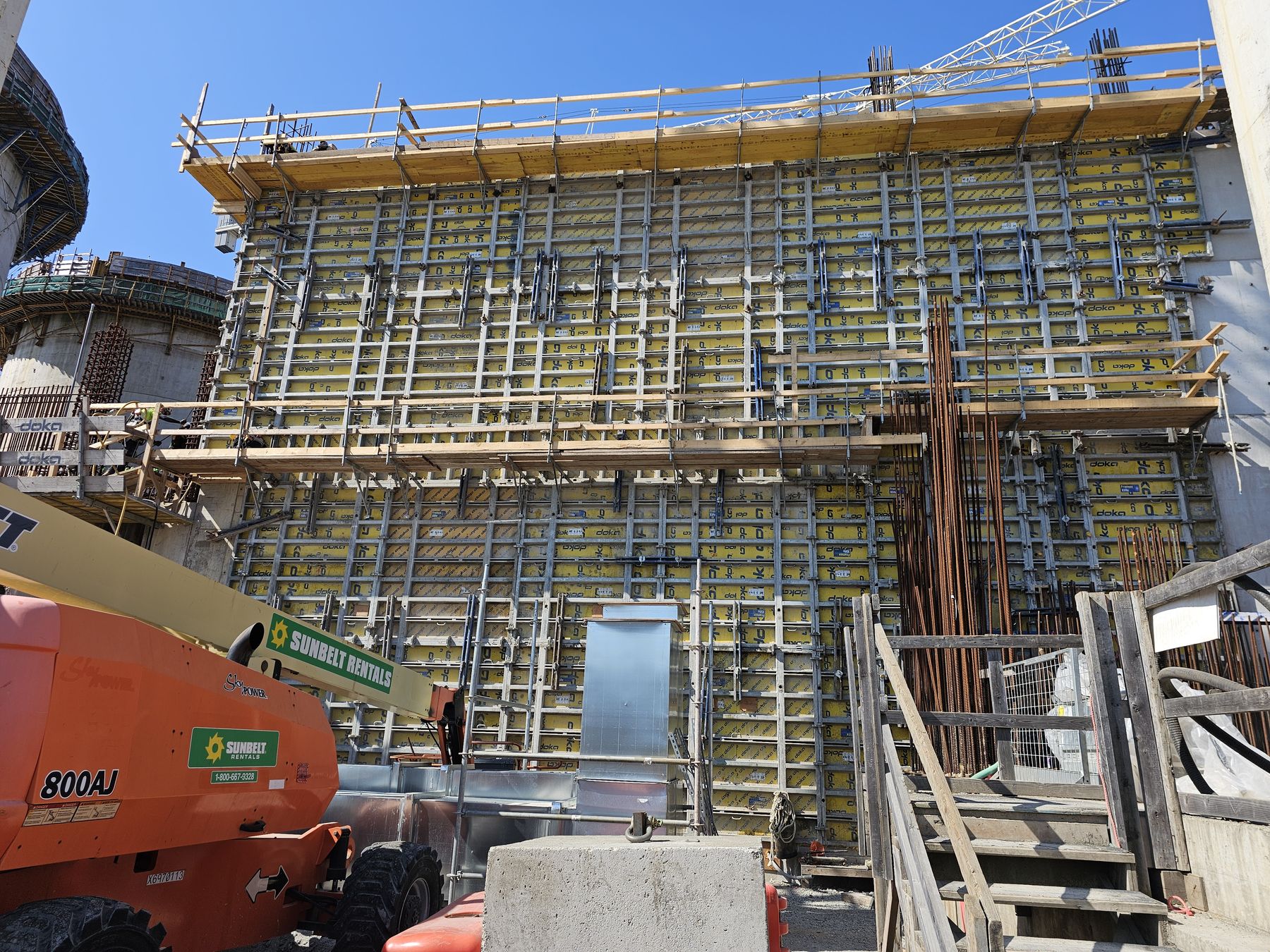
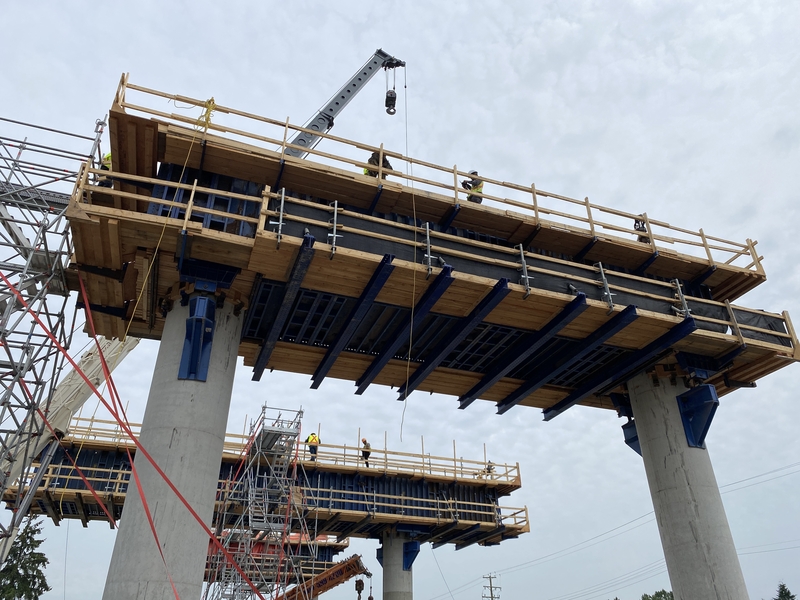
North Shore Wastewater Treatment Plant — FormworkFormwork

North Shore Wastewater Treatment Plant

North Vancouver, British Columbia

Formwork and shoring engineering, temporary works inspections and construction support for major wastewater treatment infrastructure.

View Project
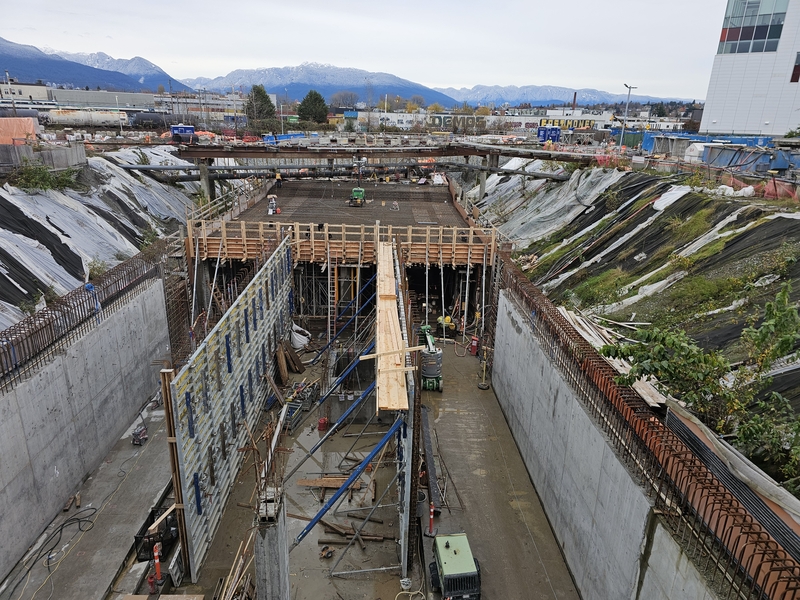
Broadway Subway Project — FormworkFormwork

Broadway Subway Project

Vancouver, British Columbia

Formwork engineering, temporary works and construction-stage structural support for major transit infrastructure.

View Project
Surrey–Langley SkyTrain Extension — FormworkFormwork

Surrey–Langley SkyTrain Extension

Surrey–Langley, British Columbia

Formwork and construction engineering support for staged rapid-transit infrastructure construction.

View Project
View All Projects
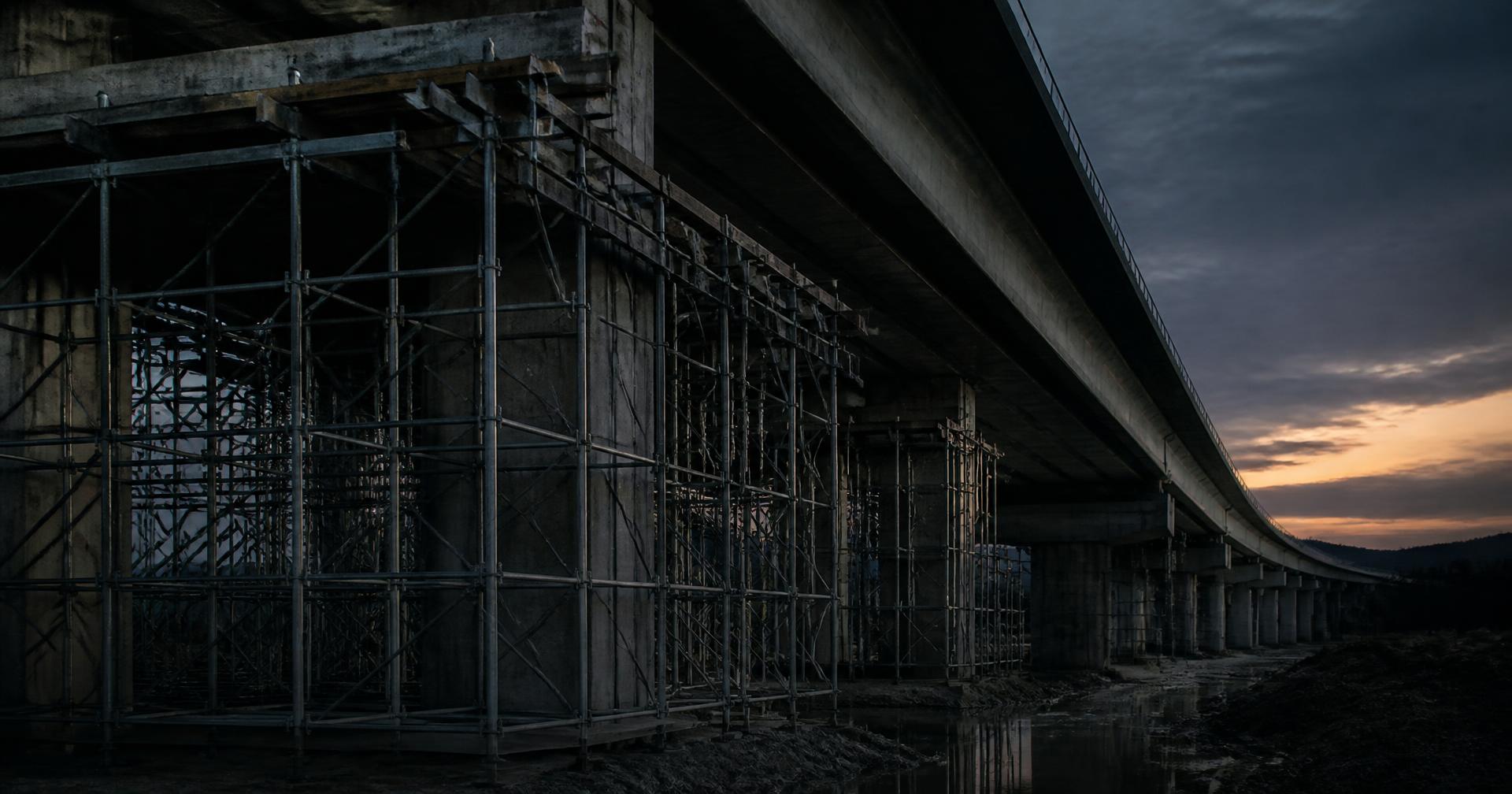
Concrete bridge structure supported by shoring and scaffolding at dusk

Start a Conversation

Planning a Structurally Sensitive Demolition?

Tell us about the structure, the extent of removal and the constraints on site. Our team can assess the intermediate conditions and define the sequencing and temporary support required.